

Reconnecting with Nature for Mental Health Wellness
In our fast-paced, technology-driven world, many people find themselves feeling disconnected from nature. This disconnection can lead to increased stress, anxiety, and a host of mental health issues. Research shows that spending time in natural environments can significantly improve mental health and overall well-being. In this blog post, we will explore the benefits of reconnecting with nature, practical ways to incorporate nature into your daily life, and how this connection can enhance your mental health.
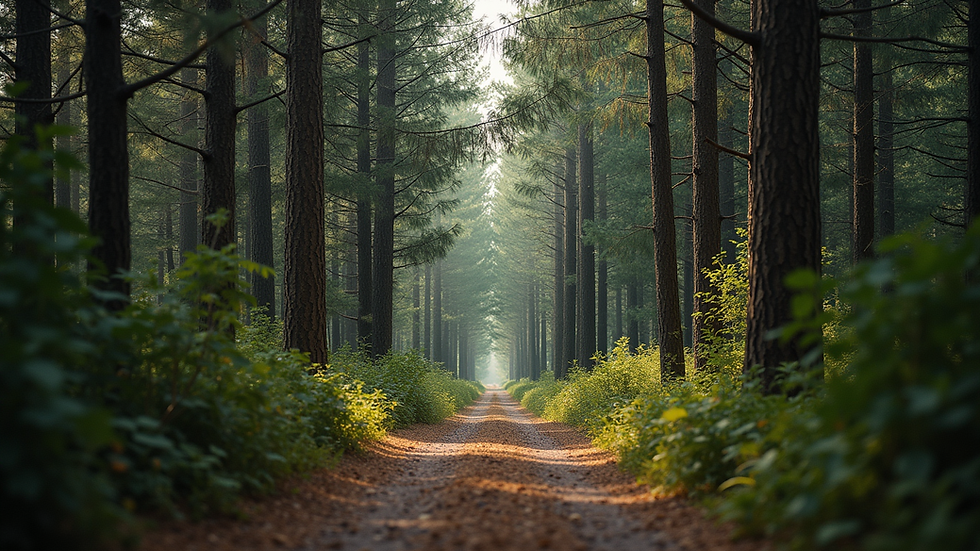
The Importance of Nature for Mental Health
Nature as a Stress Reliever
Studies have shown that spending time in nature can lower cortisol levels, the hormone associated with stress. Just a short walk in a park or a hike in the woods can help reduce feelings of anxiety and promote relaxation. The sights, sounds, and smells of nature can create a calming effect that is hard to replicate indoors.
Enhancing Mood and Well-Being
Nature has a unique ability to lift our spirits. Exposure to natural light and greenery can increase serotonin levels, which are linked to feelings of happiness. A study published in the journal Environmental Science & Technology found that individuals who spent time in natural settings reported lower levels of depression and improved mood.
Boosting Cognitive Function
Being in nature can also enhance cognitive function. Research indicates that spending time outdoors can improve attention span and creativity. This is particularly beneficial for those who may feel mentally fatigued or overwhelmed. A simple walk in a natural setting can help clear the mind and improve focus.
Practical Ways to Reconnect with Nature
Create a Nature Routine
Incorporating nature into your daily routine doesn’t have to be complicated. Here are some practical ways to get started:
Morning Walks: Start your day with a short walk in a nearby park or natural area. This can set a positive tone for the day ahead.
Lunchtime Breaks: Use your lunch break to step outside. Even a few minutes in the fresh air can refresh your mind and body.
Weekend Adventures: Plan outdoor activities on weekends, such as hiking, biking, or visiting botanical gardens.
Bring Nature Indoors
If you can’t always get outside, consider bringing nature into your home or workspace:
Houseplants: Adding greenery to your living space can improve air quality and create a calming atmosphere.
Nature Sounds: Play recordings of nature sounds, such as birds chirping or waves crashing, to create a soothing environment.
Nature Art: Decorate your space with artwork that features natural landscapes or wildlife.
Engage in Nature-Based Activities
Participating in activities that connect you with nature can be both enjoyable and therapeutic:
Gardening: Tending to plants can be a rewarding way to connect with nature. It provides a sense of accomplishment and can be a great stress reliever.
Nature Photography: Capture the beauty of the outdoors through photography. This encourages you to observe and appreciate your surroundings.
Mindful Nature Walks: Practice mindfulness while walking in nature. Focus on your senses—what you see, hear, and smell. This can enhance your connection to the environment.
The Science Behind Nature and Mental Health
Research Findings
Numerous studies support the idea that nature positively impacts mental health. For instance, a study conducted by the University of Exeter found that individuals who spent at least two hours a week in nature reported better health and well-being. This research highlights the importance of making time for nature in our busy lives.
Nature Therapy
Nature therapy, also known as ecotherapy, is an emerging field that focuses on the therapeutic benefits of nature. This approach encourages individuals to engage with the natural world as a form of healing. Activities may include guided nature walks, wilderness therapy, or simply spending time in green spaces.
Overcoming Barriers to Nature Connection
Time Constraints
Many people feel they don’t have enough time to spend in nature. However, even short bursts of time outdoors can be beneficial. Consider setting aside just 10-15 minutes each day to step outside, breathe fresh air, and appreciate your surroundings.
Accessibility
For those living in urban areas, access to nature may seem limited. Look for local parks, community gardens, or green rooftops. Many cities have initiatives to create more green spaces, so explore what’s available in your area.
Weather Conditions
Weather can be a barrier to outdoor activities, but there are ways to adapt. Dress appropriately for the conditions, and consider indoor activities that mimic nature, such as visiting a conservatory or botanical garden.
The Long-Term Benefits of Nature Connection
Improved Mental Resilience
Regularly spending time in nature can help build mental resilience. It teaches us to slow down, appreciate the moment, and find joy in simple pleasures. This resilience can be invaluable during challenging times.
Enhanced Relationships
Engaging in outdoor activities with friends or family can strengthen relationships. Shared experiences in nature create lasting memories and foster deeper connections.
A Sustainable Lifestyle
Reconnecting with nature can also inspire a more sustainable lifestyle. As we appreciate the beauty of the natural world, we may feel more motivated to protect it. This can lead to environmentally conscious choices that benefit both our mental health and the planet.
Conclusion
Reconnecting with nature is not just a luxury; it is essential for our mental health and well-being. By incorporating nature into our daily lives, we can reduce stress, enhance our mood, and improve cognitive function. Whether through simple outdoor walks, gardening, or mindful nature activities, the benefits of nature are clear.
Take the first step today—find a nearby park, step outside, and breathe in the fresh air. Your mind and body will thank you for it. Embrace the healing power of nature and make it a priority in your life.


Comments